Showing posts with label Cricket News. Show all posts

Tuesday, 25 June 2013

FOREIGN WORD AND PHRASES

Foreign words and phrases are generally not asked directly. But the knowledge of foreign words and phrases will help you in reading comprehension and other types of common questions. So, make yourself familiar with the common foreign words and phrases.


Ab initio : from the beginning.

Ab origin : from the origin.
Addenda : list of additions. (addenda to a book ) 
Advalorem : according to value.
Ad hoc : a body elected or appointed lor a definite work. (ad hoc committee)

Prepared By : Jatinder Budhiraja ( 9810513909 )
www.acmeentranceexpert.com

Wednesday, 19 June 2013

इंग्लैंड के सामने जीत के लिए 176 रन का लक्ष्य

लंदन। आइसीसी चैंपियंस ट्रॉफी के पहले सेमीफाइनल मुकाबले में दक्षिण अफ्रीका के खिलाफ इंग्लैंड ने टॉस जीतकर पहले गेंदबाजी करने का फैसला किया है। इंग्लैंड ने ग्रीम स्वान और टिम ब्रेसनन को अंतिम एकादश से बाहर रखा है। दक्षिण अफ्रीका के बल्लेबाजों ने इंग्लैंड के गेंदबाजों के सामने घुटने टेक दिए। दक्षिण अफ्रीकी टीम महज 175 रन बनाकर आउट हो गई। दक्षिण अफ्रीका की शुरुआत अच्छी नहीं रही । उसके सलामी बल्लेबाज कोलिन इनग्राम (0 रन), हाशिम अमला (1 रन) बनाकर चलते बने। इसके बाद रोबिन पीटरसन (30 रन) और फाफ डू प्लेसिस (26 रन) ने विकेट पर टिकने का प्रयास किया लेकिन वे असफल रहे। एबी डीविलियर्स (0 रन), जेपी डूमुनी (3 रन) को सस्ते में आउट कर इंग्लैंड के गेंदबाजों ने दक्षिण अफ्रीकी बल्लेबाजों पर दबाब बढ़ा दिया। डेविड मिलर (नाबाद 56 रन) ने मैक्लारेन (1), क्रिस मौरिस (3), रोरी केल्विेल्इट (43 रन) के साथ साझेदारी कर टीम के स्कोर को 175 तक पहुंचाया। दक्षिण अफ्रीका की ओर से सोतसोबे (0) आउट होने वाले आखिर बल्लेबाज रहे।

टीम :

इंग्लैंड

एलिस्टर कुक, इयान बेल, जोनाथन ट्रॉट, जोई रूट, इयोन मॉर्गन, रवि बोपारा, जेसी बटलर, स्टुअर्ट ब्रॉड, जेम्स एंडरसन, जेम्स ट्रेडवेल और स्टीवन फिन

दक्षिण अफ्रीका

कोलिन इनग्राम, हाशिम अमला, फॉफ डु प्लेसिस, एबी डिविलियर्स, जेपी डुमिनी, डेविड मिलर, रयान मैक्लेरेन, रोबिन पीटरसन, क्रिस मौरिस, रोरी केलीनवेल्ड, लोनवाबो सोत्सोबे

Sabhar (Courtesy - Dainik Jagran etc.)

Lesson 8g (8.4 Repeat each sentence)

8.4c
Complete the following sentences with “more every day.”
I suffer (I suffer more every day.) / He suffers (He suffers more every day.) / You suffer (You suffer more every day.) / We suffer (We suffer more every day.) / They suffer (They suffer more every day.)

Complete the following sentences with “to think of their ignorance.”
I suffered (I suffered to think of their ignorance.) / She suffered (She suffered to think of their ignorance.) / You suffered (You suffered to think of their ignorance.) / We suffered (We suffered to think of their ignorance.) / They suffered (They suffered to think of their ignorance.)

Complete the following sentences with “even to do them a favor.”
I will suffer (I will suffer even to do them a favor.) / He will suffer (He will suffer even to do them a favor.) / You will suffer (You will suffer even to do them a favor.) / We will suffer (We will suffer even to do them a favor.) / They will suffer (They will suffer even to do them a favor.)

8.5 Repeat each word (irregular verbs).

8.5a
TO THINK (to think) / She promised to think. (She promised to think.)

Think. (Think.) / Please think. (Please think.)

thinking (thinking) / He is thinking. (He is thinking.)

thought (thought) / it is thought (it is thought) / it was thought (it was thought) / it will be thought (it will be thought)

I think (I think) / he thinks (he thinks) / she thinks (she thinks) / it thinks (it thinks) / you think (you think) / we think (we think) / they think (they think)
I thought (I thought) / he thought (he thought) / she thought (she thought) / it thought (it thought) / you thought (you thought) / we thought (we thought) / they thought (they thought)

I will think (I will think) / he will think (he will think) / she will think (she will think) / it will think (it will think) / you will think (you will think) / we will think (we will think) / they will think (they will think)

Lesson 8f (8.4 Repeat each sentence.)

8.4a
Complete the following sentences with “beside it each afternoon.” I will say, “I remain.” You will answer, “I remain beside it each afternoon.”
I remain. (I remain beside it each afternoon.) / He remains (He remains beside it each afternoon.) / You remain (You remain beside it each afternoon.) / We remain (We remain beside it each afternoon.) / They remain (They remain beside it each afternoon.)

Complete the following sentences with “as if there was no noise.”
I remained (I remained as if there was no noise.) / She remained (She remained as if there was no noise.) / You remained (You remained as if there was no noise.) / We remained (We remained as if there was no noise.) / They remained (They remained as if there was no noise.)

Complete the following sentences with “when the leader comes.”
I will remain (I will remain when the leader comes.) / He will remain (He will remain when the leader comes.) / You will remain (You will remain when the leader comes.) / We will remain (We will remain when the leader comes.) / They will remain (They will remain when the leader comes.)

8.4b
Complete the following sentences with “more every day.”
I separate (I separate more every day.) / He separates (He separates more every day.) / You separate (You separate more every day.) / We separate (We separate more every day.) / They separate (They separate more every day.)
Complete the following sentences with “the crowd by means of this.”

I separated (I separated the crowd by means of this.) / She separated (She separated the crowd by means of this.) / You separated (You separated the crowd by means of this.) / We separated (We separated the crowd by means of this.) / They separated (They separated the crowd by means of this.)

Complete the following sentences with “all my books.”
I will separate (I will separate all my books.) / He will separate (He will separate all my books.) / You will separate (You will separate all my books.) / We will separate (We will separate all my books.) / They will separate (They will separate all my books.)

Friday, 14 June 2013

Lesson 7 Table 1

USING APOSTROPHES


 John‘s book The book belongs to John.
 the brothers’ book The book belongs to two or more brothers.
 the man‘s car The car belongs to one man.
 the men‘s car One car belongs to two or more men.
 the witness‘s (or witness’) book The book belongs to one witness.
 the witness‘s (or witness’) books One witness owns more than one book.
 the witnesses’ book The book belongs to two or more witnesses.
 the witnesses’ books Two or more witnesses each own more than one book.
 the witnesses are looking at a book Two or more witnesses are looking at books they each own.
 the witnesses are looking at their books Two or more witnesses are looking at one or more books they each own.
or

Two or more witnesses are looking at two or more books they all own together.
 someone‘s car The car belongs to someone.
 something‘s help The help belongs to something.
 something‘s open Something is open.

Some examples of two words becoming one.

 I + am = Iam = I’m I’m fine.
 it + is = itis = it’s It’s fine.
 he + is = heis = he’s He’s fine.
 she + is = sheis = she’s She’s fine.
 we + are = weare = we’re We’re fine.
 you + are = youare = you’re You’re fine.
 they + are = theyare = they’re They’re fine.
 that + is = thatis = that’s That’s okay.
 I + will = Iwill = I’ll I’ll pay the money.
 he + will = hewill = he’ll He’ll pay the money.
 she + will = shewill = she’ll She’ll pay the money.
 it + will = itwill = it’ll It’ll pay the money.
 we + will = wewill = we’ll We’ll pay the money.
 you + will = youwill = you’ll You’ll pay the money.
 they + will = theywill = they’ll They’ll pay the money.
 that + will = thatwill = that’ll That’ll be fine.
 this + will = thiswill = this’ll This’ll be fine.
 I + have = Ihave = I’ve I’ve taken the money.
 he + has = hehas = he’s He’s taken the money.
 she + has = shehas = she’s She’s taken the money.
 we + have = wehave = we’ve We’ve taken the money.
 you + have = youhave = you’ve You’ve taken the money.
 they + have = theyhave = they’ve They’ve taken the money.
 I + had = Ihad = I’d I’d like to go.
 he + had = hehad = he’d He’d like to go.
 she + had = shehad = she’d She’d like to go.
 we + had = wehad = we’d We’d like to go.
 you + had = youhad = you’d You’d like to go.
 they + had = theyhad = they’d They’d like to go.
 will + not = willnot = won’t It won’t work.
 do + not = donot = don’t They don’t work.
 does + not = doesnot = doesn’t It doesn’t work.
 did + not = didnot = didn’t She didn’t go.
 should + not = shouldnot = shouldn’t She shouldn’t go.
 could + not = couldnot = couldn’t They couldn’t go.
 would + not = wouldnot = wouldn’t We wouldn’t go.
 can + not = cannot You cannot go.
 cannot = can’t We can’t go.
 are + not = arenot = aren’t You aren’t starting.
 had + not = hadnot = hadn’t They hadn’t started.
 have + not = havenot = haven’t They haven’t started.

Ain’t is never correct.
 am + not = ain’t I ain’t listening.
 is + not = ain’t He ain’t listening.
 are + not = ain’t They ain’t listening.

Thursday, 13 June 2013

Lesson 7f

7.5 Repeat each sentence.

7.5c
Complete the following sentences with “the books outside every day.”

I already carry (I already carry the books outside every day.) / She already carries (She already carries the books outside every day.) / You already carry (You already carry the books outside every day.) / We already carry (We already carry the books outside every day.) / They already carry (They already carry the books outside every day.)

Complete the following sentences with “the whole thing.”
I carried (I carried the whole thing.) / She carried (She carried the whole thing.) / You carried (You carried the whole thing.) / We carried (We carried the whole thing.) / They carried (They carried the whole thing.)

Complete the following sentences with “it to the gate on foot.”
I will carry (I will carry it to the gate on foot.) / He will carry (He will carry it to the gate on foot.) / You will carry (You will carry it to the gate on foot.) / We will carry (We will carry it to the gate on foot.) / They will carry (They will carry it to the gate on foot.)

7.5d
Complete the following sentences with “in front when he gets up.”
I look (I look in front when he gets up.) / She looks (She looks in front when he gets up.) / You look (You look in front when he gets up.) / We look (We look in front when he gets up.) / They look (They look in front when he gets up.)Complete the following sentences with “across the water at once.”

I looked (I looked across the water at once.) / She looked (She looked across the water at once.) / You looked (You looked across the water at once.) / We looked (We looked across the water at once.) / They looked (They looked across the water at once.)
Complete the following sentences with “inside and behind the house.”

I will look (I will look inside and behind the house.) / He will look (He will look inside and behind the house.) / You will look (You will look inside and behind the house.) / We will look (We will look inside and behind the house.) / They will look (They will look inside and behind the house.)

7.5e
Complete the following sentences with “anything under this book.”
I don’t put (I don’t put anything under this book.) / He doesn’t put (He doesn’t put anything under this book.) / You don’t put (You don’t put anything under this book.) / We don’t put (We don’t put anything under this book.) / They don’t put (They don’t put anything under this book.)Complete the following sentences with “them between the men.”

I didn’t put (I didn’t put them between the men.) / She didn’t put (She didn’t put them between the men.) / You didn’t put (You didn’t put them between the men.) / We didn’t put (We didn’t put them between the men.) / They didn’t put (They didn’t put them between the men.)

Complete the following sentences with “anything near the fire.”
I won’t put (I won’t put anything near the fire.) / He won’t put (He won’t put anything near the fire.) / You won’t put (You won’t put anything near the fire.) / We won’t put (We won’t put anything near the fire.) / They won’t put (They won’t put anything near the fire

www.acme-aipc.in

Tuesday, 11 June 2013

How much does it cost to + (verb)

You are simply asking how much you would need to pay to do something.

Here are some examples:

"How much does it cost to fly to Europe?"
"How much does it cost to own a house?"
"How much does it cost to play a round of golf?"
"How much does it cost to join a gym?"
"How much does it cost to repair my car?"
"How much would it cost to talk long distance?"
"How much would it cost to run a website?"
"How much would it cost to wash my car?"
"How much would it cost to rent a car?"
"How much would it cost to go to the movies?"


How come + (subject + verb)

When using 'how come' you are asking why a particular thing has or had to take place.

Here are some examples:

"How come parents worry so much?"
"How come people carpool to work?"
"How come you are so upset?"
"How come he will not call you?"
"How come you stayed out so late?"
"How come you cannot make a decision?"
"How come you always question me?"
"How come we never agree?"
"How come your dog digs in the yard?"
"How come she will not come over?"

Monday, 10 June 2013

LESSON 7: EXERCISE LESSON


7.2 Repeat each word (regular verbs).

7.2a
TO JUMP (to jump) / He promised not to jump. (He promised not to jump.)

Jump. (Jump.) / Please jump. (Please jump.)

jumping (jumping) / He is jumping. (He is jumping.)

jumped (jumped) / he is jumped (he is jumped) / she was jumped (she was jumped) / they will be jumped (they will be jumped)

I jump (I jump) / he jumps (he jumps) / she jumps (she jumps) / it jumps (it jumps) / you jump (you jump) / we jump (we jump) / they jump (they jump)

I jumped (I jumped) / he jumped (he jumped) / she jumped (she jumped) / it jumped (it jumped) / you jumped (you jumped) / we jumped (we jumped) / they jumped (they jumped)

I will jump (I will jump) / he will jump (he will jump) / she will jump (she will jump) / it will jump (it will jump) / you will jump (you will jump) / we will jump (we will jump) / they will jump (they will jump)
7.2b
TO WALK (to walk) / He promised to walk. (He promised to walk.)
Walk. (Walk.) / Please walk. (Please walk.)

walking (walking) / He is walking. (He is walking.)

walked (walked) / she is walked (she is walked) / they were walked (they were walked) / we will be walked (we will be walked)

I walk (I walk) / he walks (he walks) / she walks (she walks) / it walks (it walks) / you walk (you walk) / we walk (we walk) / they walk (they walk)

I walked (I walked) / he walked (he walked) / she walked (she walked) / it walked (it walked) / you walked (you walked) / we walked (we walked) / they walked (they walked)

I will walk (I will walk) / he will walk (he will walk) / she will walk (she will walk) / it will walk (it will walk) / you will walk (you will walk) / we will walk (we will walk) / they will walk (they will walk)
7.2c
TO EXPECT (to expect) / He promised to expect it. (He promised to expect it.)
Expect. (Expect.) / Please expect it. (Please expect it.)

expecting (expecting) / He is expecting it. (He is expecting it.)

expected (expected) / it is expected (it is expected) / it was expected (it was expected) / it will be expected (it will be expected)

I expect (I expect) / he expects (he expects) / she expects (she expects) / it expects (it expects) / you expect (you expect) / we expect (we expect) / they expect (they expect)

I expected (I expected) / he expected (he expected) / she expected (she expected) / it expected (it expected) / you expected (you expected) / we expected (we expected) / they expected (they expected)

I will expect (I will expect) / he will expect (he will expect) / she will expect (she will expect) / it will expect (it will expect) / you will expect (you will expect) / we will expect (we will expect) / they will expect (they will expect)
7.2d
TO BEG (to beg) / He promised not to beg. (He promised not to beg.)
Beg. (Beg.) / Please don’t beg for it. (Please don’t beg for it.)

begging (begging) / He is begging for it. (He is begging for it.)

begged : It is begged is infrequently or never used.

I beg (I beg) / he begs (he begs) / she begs (she begs) / it begs (it begs) / you beg (you beg) / we beg (we beg) / they beg (they beg)

I begged (I begged) / he begged (he begged) / she begged (she begged) / it begged (it begged) / you begged (you begged) / we begged (we begged) / they begged (they begged)

I will beg (I will beg) / he will beg (he will beg) / she will beg (she will beg) / it will beg (it will beg) / you will beg (you will beg) / we will beg (we will beg) / they will beg (they will beg)

www.acme-aipc.in

सेमीफाइनल में जगह बनाने को वेस्टइंडीज से भिड़ेगा भारत

लंदन : सेमीफाइनल में जगह बनाने की कवायद में जुटी आत्मविश्वास से ओतप्रोत भारतीय टीम आईसीसी चैम्पियंस ट्राफी ग्रुप बी के मुकाबले में मंगलवार को वेस्टइंडीज से भिड़ेगी। दोनों टीमें पहला मैच जीत चुकी है और दोनों को पता है कि कल जीतने से टूर्नामेंट के अंतिम चार में जगह लगभग पक्की हो जाएगी। 

विश्व चैम्पियन भारत ने कार्डिफ में पहले मैच में दक्षिण अफ्रीका को 26 रन से हराया जबकि वेस्टइंडीज ने कम स्कोर वाले मैच में पाकिस्तान को दो विकेट से शिकस्त दी। कल का मुकाबला ऐसे खिलाड़ियों के बीच है, जिन्हें एक-दूसरे के बारे में अच्छी जानकारी है। हाल में इंडियन प्रीमियर लीग खेल चुके वेस्टइंडीज और भारत के खिलाड़ी एक दूसरे की ताकतों और कमजोरियों से बखूबी वाकिफ हैं। 

भारतीय कप्तान महेंद्र सिंह धोनी और कैरेबियाई कप्तान ड्वेन ब्रावो चेन्नई सुपर किंग्स में साथ खेलते हैं जबकि विराट कोहली और क्रिस गेल रायल चैलेंजर्स बेंगलूर के खिलाड़ी हैं। शानदार फार्म में चल रहे वेस्टइंडीज के बल्लेबाज मलरेन सैमुअल्स ने पहले ही यह कहकर खतरे की घंटी बजा दी है कि कैरेबियाई खिलाड़ियों के पास इंग्लैंड के हालात में भारतीय आक्रमण को नेस्तनाबूद करने की ताकत है। 

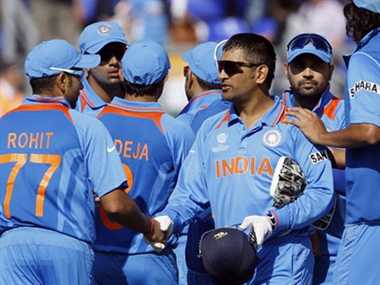
कागजों पर भारतीय टीम का पलड़ा भारी लग रहा है। उसके बल्लेबाज शानदार फार्म में है, जिन्होंने लगातार तीन मैचों में 300 से अधिक रन बनाए हैं। पहले मैच में बल्लेबाजी क्रम में बदलाव करते हुए मुरली विजय को बाहर किया गया जिनकी जगह रोहित शर्मा ने ली। दक्षिण अफ्रीका के खिलाफ रोहित और शिखर धवन ने उम्दा पारियां खेली। दोनों ने 127 रन की प्रारंभिक साझेदारी की। भारत इस विजयी संयोजन को छेड़ना नहीं चाहेगा, जिसमें दिनेश कार्तिक को चौथे और धोनी को सुरेश रैना की जगह पांचवें नंबर पर बल्लेबाजी करते देखा गया। 

दूसरी ओर अपार प्रतिभाशाली होते हुए भी वेस्टइंडीज टीम लगातार अच्छा प्रदर्शन नहीं कर सकी है। वेस्टइंडीज ने पाकिस्तान के खिलाफ पहले मैच में टेस्ट कप्तान और हरफनमौला डेरेन सैमी को अंतिम एकादश से बाहर रखा। इससे टीम की गहराई और आत्मविश्वास का पता चलता है। लेकिन फिर पाकिस्तान के खिलाफ 170 रन के मामूली लक्ष्य का पीछा करते हुए टीम दो विकेट से बमुश्किल जीत दर्ज कर सकी। गेल, जानसन चार्ल्स, डेरेन ब्रावो और सैमुअल्स की मौजूदगी वाला वेस्टइंडीज का शीषर्क्रम अगर चल निकला तो भारत के लिए मुश्किल खड़ी हो जाएगी। इनके सामने नई गेंद संभालना उमेश यादव, भुवनेश्वर कुमार और ईशांत शर्मा के लिए बड़ी चुनौती होगी। पहले 15 ओवर अभी तक हर मैच में निर्णायक साबित हुए है। चैम्पियंस ट्राफी में भारत के खिलाफ वेस्टइंडीज का रिकार्ड 2-1 का है। उसने पहले 1998 में ढाका में और 2006 में अहमदाबाद में भारत को हराया। भारत ने एकमात्र जीत 2009 में जोहानिसबर्ग में दर्ज की थी। 

वेस्टइंडीज के पास तेज गेंदबाजी की कमान संभालने के लिए केमार रोच, रवि रामपाल और टिनो बेस्ट है जबकि स्पिनर सुनील नारायण को खेलना भी आसान नहीं। वेस्टइंडीज के कप्तान ब्रावो ने भारत को चेतावनी देते हुए कहा कि यह ऐसी टीम के खिलाफ कठिन मुकाबला होगा जिसकी ताकत उसकी बल्लेबाजी है। लेकिन हमारे पास उनकी बल्लेबाजी पर नकेल कसने वाले गेंदबाज हैं। 

Saturday, 8 June 2013

Lesson 6 Fluency


Lesson 6 English Fluency Exercise

Lesson Text 2:14-47 (Acts)

Read the Lesson Text aloud. Read the entire section until you can pronounce each word correctly, reading each paragraph without pausing. Practice until you can read the entire Lesson Text with good English pronunciation.

Then Peter stood up with the other eleven apostles and in a loud voice began to speak to the crowd. “Listen to me and let me tell you what this means. These people are not drunk, as you suppose; it is only nine o’clock in the morning. Jesus of Nazareth was a man whose divine authority was clearly proven to you by all the miracles and wonders which God performed through him. You yourselves know this, for it happened here among you. In accordance with his own plan God had already decided that Jesus would be handed over to you; and you killed him by letting sinful men crucify him. But God raised him from death, setting him free from its power, because it was impossible that death should hold him prisoner.

“My friends, I must speak to you plainly about our famous ancestor King David. He died and was buried, and his grave is here with us to this very day. He was a prophet, and he knew what God had promised him: God had made a vow that he would make one of David’s descendants a king, just as David was. David saw what God was going to do in the future, and so he spoke about the resurrection of the Messiah when he said, ‘He was not abandoned in the world of the dead; his body did not rot in the grave.’ God has raised this very Jesus from death, and we are all witnesses to this fact. He has been raised to the right side of God, his Father, and has received from him the Holy Spirit, as he had promised. What you now see and hear is his gift that he has poured out on us. All the people of Israel, then, are to know for sure that this Jesus, whom you crucified is the one that God has made Lord and Messiah.”

When the people heard this, they were deeply troubled and said to Peter and the other apostles, “What shall we do, brothers?” Peter said to them, “Each one of you must turn away from your sins and be baptized in the name of Jesus Christ, so that your sins will be forgiven; and you will receive God’s gift, the Holy Spirit. For God’s promise was made to you and your children, and to all who are far away—all whom the Lord our God calls to himself.”

Peter made his appeal to them and with many other words he urged them, saying, “Save yourselves from the punishment coming on this wicked people.” Many of them believed his message and were baptized, and about three thousand people were added to the group that day. They spent their time in learning from the apostles, taking part in the fellowship, and sharing in the fellowship meals, and the prayers.

मैच हो तो ऐसा! भारत-द. अफ्रीका घमासान के 6 रोचक आंकड़े

नई दिल्ली। कार्डिफ में आइसीसी चैंपियंस ट्रॉफी के उद्घाटन मुकाबले के तौर पर गुरुवार को भारत और दक्षिण अफ्रीका के बीच जबरदस्त घमासान हुआ। दोनों ही टीमों ने 300 से अधिक स्कोर बनाया, हलांकि टीम इंडिया दक्षिण अफ्रीका पर भारी पड़ गई और उसे 26 रनों से हरा दिया।

आइए, जानते हैं उस मुकाबले के कुछ रोचक आंकड़े :

- भारत द्वारा 7 विकेट के नुकसान पर बनाया गया 331 रन दक्षिण अफ्रीका के खिलाफ उसका दूसरा सर्वाधिक स्कोर है। इससे पहले टीम इंडिया ने दक्षिण अफ्रीका के खिलाफ 2010 में ग्वालियर में 3 विकेट के नुकसान पर 401 रन बनाए थे। यह वही मैच था, जिसमें सचिन तेंदुलकर वनडे क्रिकेट इतिहास में दोहरा शतक लगाने वाले पहले बल्लेबाज बने थे।

- गुरुवार को भारत द्वारा बनाए गए 331 रन कार्डिफ में बनाया गया सर्वाधिक स्कोर है। इससे पहले यह रिकॉर्ड 6 विकेट के नुकसान पर बनाया गया 304 रन था। यह रिकॉर्ड भी भारत के नाम ही था।

- यह 66वां मौका था, जब भारत और दक्षिण अफ्रीका ने एक मैच में 300 या उससे अधिक रन बनाए। इन 66 मुकाबलों में से भारत की हिस्सेदारी 30 मैचों की है।

- दक्षिण अफ्रीका ने इंग्लैंड में 2007 से अबतक 11 मुकाबले खेले हैं और यह उसकी सातवीं हार है। इंग्लैंड दौरे पर जाने वाली टीमों में दक्षिण अफ्रीका प्रदर्शन सबसे अधिक निराशाजनक रहा है।

- दक्षिण अफ्रीकी गेंदबाज सोत्सोबे ने गुरुवार को खेले गए मुकाबले में भारत के खिलाफ 2 विकेट लेकर 83 रन खर्च किए। भारत के खिलाफ महंगा ओवर करने वाले वे तीसरे दक्षिण अफ्रीकी गेंदबाज बने। उनसे पहले 2010 में ग्वालियर वनडे के दौरान व्यान पर्नेल ने 2 विकेट लेकर 95 रन खर्च किए थे, जबकि उसी मुकाबले में डेल स्टेन ने बिना कोई विकेट लिए 89 रन खर्च किए थे।

- एकदिवसीय क्रिकेट इतिहास में ऐसा सिर्फ दसवीं बार हुआ, जब किसी टीम के दो गेंदबाजों ने 80 या उससे अधिक रन खर्च किए। गुरुवार को भारत के खिलाफ सोत्सोबे ने 83 रन खर्च किए, जबकि क्लेनवेल्ड ने 81 रन खर्च किए।

Sabhar (Courtesy - Dainik Jagran etc.)

Friday, 7 June 2013

That's why + (subject + verb)

'That's' is short for 'that is.' Here you are telling someone 'because of this' or 'therefore.'

Here are some examples:

"That's why people admire you."
"That's why she appears so happy."
"That's why babies crawl before they can walk."
"That's why Pam cries at sad movies."
"That's why you fail to understand."
"That is why you help out people in need."
"That is why you try and include everyone."
"That is why you lock your doors when you leave home."
"That is why she smiles when you walk by."
"That is why you use it for emergencies."

www.acme-aipc.in

चैंपियंस ट्रॉफी: इंग्लैंड में गब्बर की गूंज, भारत का जीत से आगाज

कार्डिफ। आइसीसी चैंपियंस ट्रॉफी में टीम इंडिया ने शानदार जीत के साथ आगाज किया। भारत ने उद्घाटन मुकाबले में दक्षिण अफ्रीका को 26 रनों से हरा दिया। 332 रनों के लक्ष्य का पीछा करते हुए दक्षिण अफ्रीकी टीम 50 ओवर में 305 रन बनाकर ऑलआउट हो गई। इससे पहले मैन ऑफ द मैच शिखर धवन (114) के पहले वनडे शतक और रोहित शर्मा (65) के शानदार अर्धशतक की बदौलत टीम इंडिया ने निर्धारित 50 ओवरों में 7 विकेट के नुकसान पर 331 रन बनाए।

टॉस हारकर पहले बल्लेबाजी करने उतरी टीम इंडिया को रोहित शर्मा और शिखर धवन ने शानदार शुरुआत दी और पहले विकेट के लिए शतकीय साझेदारी निभाते हुए शानदार 127 रन जोड़े। इसके बाद रोहित शर्मा आउट हो गए। रोहित ने 81 गेंदों में 8 चौके और 1 छक्के की मदद से 65 रन बनाए। विराट कोहली के रूप में टीम इंडिया को दूसरा झटका लगा। कोहली 41 गेंदों में 31 रन बनाकर आउट हुए।

शिखर धवन (गब्बर) के रूप में टीम इंडिया को तीसरा झटका लगा। आउट होने से पहले धवन ने धमाकेदार पारी खेली और वनडे करियर का पहला शतक लगाया। धवन 94 गेंदों में 12 चौके और 1 छक्के की मदद से 114 रन बनाकर आउट हुए। धवन के अलावा दिनेश कार्तिक ने 14 रन, सुरेश रैना ने 9 रन, कप्तान महेंद्र सिंह धौनी ने 27 रन और आर. अश्विन ने 10 रन बनाए। रवींद्र जडेजा 29 गेंदों में 7 चौके और 1 छक्के की मदद से 47 रन और भुवनेश्वर कुमार बिना खाता खोले नाबाद रहे। वहीं, दक्षिण अफ्रीका की तरफ से मैक्कलेरेन (3) ने सबसे अधिक विकेट लिए। उनके अलावा सोत्सोबे ने 2 विकेट और जेपी डुमिनी ने 1 विकेट लिए।

भारत द्वारा दिए गए 332 रनों के लक्ष्य का पीछा करने उतरी दक्षिणी अफ्रीकी टीम की शुरुआत अच्छी नहीं रही और उसके दो विकेट सिर्फ 31 रन पर ही गिर गए। कोलिन इंग्राम 6 रन और हाशिम अमला 22 रन बनाकर आउट हो गए। इसके बाद रोबिन पीटरसन और कप्तान एबी डिविलियर्स ने सूझबूझ के साथ पारी संभाली और तीसरे विकेट के लिए शतकीय साझेदारी निभाते हुए 124 रन जोड़ दिए, लेकिन पीटरसन दुर्भाग्यपूर्ण रूप से रनआउट हो गए। उन्होंने 72 गेंदों में 68 रन बनाए। इसके बाद जेपी डुमिनी भी कुछ खास नहीं कर सके और 14 रन बनाकर आउट हो गए।

कप्तान एबी डिविलियर्स के रूप में दक्षिण अफ्रीकी टीम को पांचवां झटका लगा। वे 71 गेंदों में 70 रन बनाकर आउट हुए। इसके बाद डेविड मिलर बिना खाता खोले पवेलियन लौट गए। डु प्लेसिस ने 30 रन, क्लेनवेल्ड ने 4 रन, सोत्सोबे ने 3 रन और मोर्ने मोर्कल ने 8 रन बनाए। मोर्कल का विकेट आखिरी गेंद पर गिरा। दक्षिण अफ्रीका की तरफ से रयान मैक्लेरेन ने सबसे अधिक रन बनाए। मैक्लेरेन ने तेजी से रन बनाते हुए 61 गेंदों में 11 चौके और 1 छक्के की मदद से नाबाद 71 रन बनाए। टीम इंडिया की तरफ से भुवनेश्वर कुमार, उमेश यादव, इशांत शर्मा और रवींद्र जडेजा को 2-2 विकेट मिले।

Sabhar (Courtesy - Dainik Jagran etc.)

Thursday, 6 June 2013

Why don't we + (verb)


'Don't' is a contraction of 'do not.' When using 'why' you are asking a question that involves yourself and the person you are talking to.

Here are some examples:

"Why don't we go bowling tonight?"
"Why don't we pick some fresh flowers?"
"Why don't we play a game of chess?"
"Why don't we save more money?"
"Why don't we remember this place?"
"Why don't we test this before using it?"
"Why don't we try and do it again?"
"Why don't we post our results online?"
"Why don't we gather more firewood?"
"Why don't we earn more money?"

www.acme-aipc.in

What do you think about (verb-ing)


This question asks someone their opinion about a topic.

Here are some examples:

"What do you think about having a cup of tea with me?"
"What do you think about working overtime next week?"
"What do you think about waiting in line for tickets?"
"What do you think about sailing?"
"What do you think about staying here another night?"
"What do you think about retiring from your job?"
"What do you think about planting new trees in the backyard?"
"What do you think about offering to babysit?"
"What do you think about living in a new city?"
"What do you think about filming our vacation?"

टीम इंडिया के 5 खिलाड़ी, जो पलट सकते हैं मैच का पासा

नई दिल्ली। आइसीसी चैंपियंस ट्रॉफी के पहले मुकाबले में भारत और दक्षिण अफ्रीका के बीच भिड़ंत होनी है। ट्रॉफी शुरू होने से पहले दोनों अभ्यास मुकाबले जीतकर टीम इंडिया पूरे जोश में है। श्रीलंका के खिलाफ पहले अभ्यास मुकाबले में विराट कोहली और दिनेश कार्तिक का बल्ला चला था तो दूसरे अभ्यास मुकाबले में दिनेश कार्तिक और कप्तान महेंद्र सिंह धौनी का बल्ला चला था।

आइए, मुकाबले से पहले हम उन भारतीय खिलाड़ियों के बारे में जानते हैं, जो मैच का पासा कभी भी पलट सकते हैं :

1. दिनेश कार्तिक : मौजूदा टीम इंडिया में दिनेश कार्तिक ही एक ऐसे खिलाड़ी हैं, जिन्होंने दोनों अभ्यास मुकाबलों में अपने बल्ले से जौहर दिखाया। कार्तिक ने श्रीलंका के खिलाफ पहले अभ्यास मुकाबले में नाबाद 106 रन बनाए थे, जबकि ऑस्ट्रेलिया के खिलाफ दूसरे अभ्यास मुकाबले में नाबाद 146 रन बनाए। उनकी बल्लेबाजी देखकर कप्तान धौनी भी काफी प्रभावित हुए। विदेशी जमीन पर उनके इस फॉर्म को देखकर धौनी ने उन्हें तुरंत अंतिम एकादश में शामिल कर लिया है।

2. विराट कोहली : टीम इंडिया के मध्यक्रम बल्लेबाज विराट कोहली ने भी श्रीलंका के खिलाफ पहले अभ्यास मुकाबले में शानदार शतक जड़ा था और 120 गेंदों में 144 रन बनाए थे। कोहली टीम इंडिया के मध्यक्रम की रीढ़ हैं। इनमें क्रीज पर अधिक देर तक टिककर खेलने की पूरी क्षमता मौजूद है। ऑस्ट्रेलिया के खिलाफ दूसरे अभ्यास मुकाबले में वे सिर्फ 9 रन ही बना सके, लेकिन पहले मुकाबले में उन्होंने 334 रनों के विशाल लक्ष्य का पीछा करते हुए जिस अंदाज में बल्लेबाजी की थी, उससे यह तो साबित हो गया कि उनमें इतना दम है कि वे किसी भी परिस्थितियों में रनों की बारिश कर सकते हैं।

3. महेंद्र सिंह धौनी : इस लिस्ट में कप्तान महेंद्र सिंह धौनी भी शामिल हैं। सातवें नंबर पर धौनी जिस अंदाज में बल्लेबाजी करते हैं, वो बेहतरीन है। अगर टीम इंडिया मुश्किलों में रहती है तो वे इस नंबर पर भी आकर टीम को मुश्किलों से बाहर निकालने की पूरी कोशिश करते हैं। ऑस्ट्रेलिया के खिलाफ अभ्यास मुकाबले में भी यह देखने में आया था। धौनी ने सातवें नंबर पर बल्लेबाजी करते हुए शानदार 91 रन बनाए थे।

4. उमेश यादव : शादी के कारण थोड़ी देर से टीम इंडिया के साथ जुड़े तेज गेंदबाज उमेश यादव ने ऑस्ट्रेलिया के खिलाफ दूसरे अभ्यास मुकाबले में जिस तरह से तूफानी गेंदबाजी की, उससे भारत को काफी राहत मिली। यादव ने 5 ओवर में सिर्फ 18 रन देकर 5 विकेट झटके और कंगारू बल्लेबाजों को पिच पर जमने नहीं दिया। उनकी गेंदें काफी स्विंग कर रही थीं। ऐसे में उमेश यादव ने यह साबित किया कि कोई भी दूसरा देश भारत की गेंदबाजी आक्रमण को कमजोर न समझे।

5. इशांत शर्मा : आइपीएल में अपनी गेंदबाजी से सबको हैरान करने वाले इशांत शर्मा का फॉर्म इंग्लैंड में भी जारी है। ऑस्ट्रेलिया के खिलाफ उन्होंने उमेश यादव का पूरा साथ दिया और 3 महत्वपूर्ण विकेट लिए। इशांत ने 5 ओवरों में सिर्फ 11 रन खर्च किए। इससे अंदाजा लगाया जा सकता है कि कार्डिफ के सोफिया गार्डस मैदान में भारतीय गेंदबाज किस कदर दक्षिण अफ्रीका के खिलाफ कहर बरपा सकते हैं।

Sabhar (Courtesy - Dainik Jagran etc.)

Wednesday, 5 June 2013

Lesson 6: Exercise Lesson

6.2 Repeat each sentence.

6.2a
Complete the following sentences with “to the loud noise.”
I listen (I listen to the loud noise.) / He listens (He listens to the loud noise.) / You listen (You listen to the loud noise.) / We listen (We listen to the loud noise.) / They listen (They listen to the loud noise.)

Complete the following sentences with “to the children.”
I listened (I listened to the children.) / She listened (She listened to the children.) / You listened (You listened to the children.) / We listened (We listened to the children.) / They listened (They listened to the children.)

Complete the following sentences with “to him talk.”
I will listen (I will listen to him talk.) / She will listen (She will listen to him talk.) / You will listen (You will listen to him talk.) / We will listen (We will listen to him talk.) / They will listen (They will listen to him talk.)
6.2b
Complete the following sentences with “the time each day.”
I decide (I decide the time each day.) / He decides (He decides the time each day.) / You decide (You decide the time each day.) / We decide (We decide the time each day.) / They decide (They decide the time each day.)
Complete the following sentences with “to spend time together with him.”
I decided (I decided to spend time together with him.) / She decided (She decided to spend time together with him.) / You decided (You decided to spend time together with him.) / We decided (We decided to spend time together with him.) / They decided (They decided to spend time together with him.)

Complete the following sentences with “to take part in it.”
I will decide (I will decide to take part in it.) / She will decide (She will decide to take part in it.) / You will decide (You will decide to take part in it.) / We will decide (We will decide to take part in it.) / They will decide (They will decide to take part in it.)
6.2c
Complete the following sentences with “to speak to her.”
I need (I need to speak to her.) / He needs (He needs to speak to her.) / You need (You need to speak to her.) / We need (We need to speak to her.) / They need (They need to speak to her.)
Complete the following sentences with “to appear yesterday.”
I needed (I needed to appear yesterday.) / She needed (She needed to appear yesterday.) / You needed (You needed to appear yesterday.) / We needed (We needed to appear yesterday.) / They needed (They needed to appear yesterday.)

Complete the following sentences with “a meal tomorrow.”
I will need (I will need a meal tomorrow.) / He will need (He will need a meal tomorrow.) / You will need (You will need a meal tomorrow.) / We will need (We will need a meal tomorrow.) / They will need (They will need a meal tomorrow.)
6.2d
Complete the following sentences with “in his name.”
I forgive (I forgive in his name.) / He forgives (He forgives in his name.) / You forgive (You forgive in his name.) / We forgive (We forgive in his name.) / They forgive (They forgive in his name.)
Complete the following sentences with “all the people.”
I forgave (I forgave all the people.) / She forgave (She forgave all the people.) / You forgave (You forgave all the people.) / We forgave (We forgave all the people.) / They forgave (They forgave all the people.)

Complete the following sentences with “everyone with your help.”
I will forgive (I will forgive everyone with your help.) / He will forgive (He will forgive everyone with your help.) / You will forgive (You will forgive everyone with your help.) / We will forgive (We will forgive everyone with your help.) / They will forgive (They will forgive everyone with your help.)

www.acme-aipc.in

उमेश यादव का कहर, भारत ने कंगारुओं को 243 रनों से रौंदा

कार्डिफ। आइसीसी चैंपियंस ट्रॉफी के वार्म-अप मुकाबले में दिनेश कार्तिक की शानदार नाबाद शतकीय पारी और उमेश यादव की घातक गेंदबाजी की बदौलत टीम इंडिया ने ऑस्ट्रेलिया को 243 रनों से रौंद दिया। पहले दिनेश कार्तिक (नाबाद 146) और कप्तान महेंद्र सिंह धौनी (91) की जबरदस्त पारी और फिर उमेश यादव (5 विकेट) की कहर बरपाती गेंदों के सामने ऑस्ट्रेलियाई खिलाड़ी टिक नहीं सके और 23.3 ओवरों में ही महज 65 रन बनाकर ढेर हो गए।

भारत द्वारा दिए गए 309 रनों के लक्ष्य का पीछा करने उतरी ऑस्ट्रेलियाई टीम की पारी भारतीय गेंदबाजी के सामने पूरी तरह से लड़खड़ा गई। पहले मैथ्यू वेड 5 रन बनाकर आउट हुए, फिर डेविड वार्नर बिना खाता खोले पवेलियन लौट गए। इसके बाद माइकल क्लार्क की जगह कप्तानी कर रहे जॉर्ज बेली महज 1 रन बनाकर आउट हो गए। फिर फिलिप ह्यूग्स 14 रन, मिशेल मार्श शून्य, शेन वॉटसन 4 रन, जेम्स फॉकनर 7 रन, मिशेल जॉनसन 2 रन, मिशेल स्टार्क शून्य और एडम वोग्स 23 रन बनाकर आउट हो गए।

उमेश यादव ने 5 ओवर में 18 रन देकर 5 विकेट लिए, जबकि इशांत शर्मा को 3 विकेट और आर. अश्विन को 1 विकेट मिला। ऑस्ट्रेलियाई टीम का जब एकबार विकेट गिरना शुरू हुआ, तो वह रुकने का नाम नहीं लिया। भारतीय गेंदबाजों का कहर इस कदर बरपा कि कंगारू टीम 25 ओवर भी नहीं खेल सकी।

इससे पहले टीम इंडिया ने टॉस जीतकर पहले बल्लेबाजी करते हुए दिनेश कार्तिक (डीके) के शानदार नाबाद शतक और कप्तान महेंद्र सिंह धौनी की शानदार अर्धशतकीय पारी की बदौलत निर्धारित 50 ओवरों में 6 विकेट के नुकसान पर 308 रन बनाए।

दिनेश कार्तिक ने 140 गेंदों में 17 चौके और एक छक्के की मदद से नाबाद 146 रन बनाए, जबकि धौनी ने 77 गेंदों में 6 चौके और 4 छक्कों की मदद से शानदार 91 रन बनाए। इससे पहले भारत की शुरुआत भी बेहद निराशाजनक रही और उसके शुरुआती पांच बल्लेबाज सिर्फ 55 रन पर ही पवेलियन लौट गए। इसके बाद कार्तिक और धौनी ने सूझबूझ के साथ खेलते हुए शतकीय साझेदारी निभाई और टीम इंडिया को मुश्किलों से बाहर निकाला।

टीम इंडिया के ओपनर मुरली विजय ने 1 रन और शिखर धवन ने 17 रन बनाए। इसके अलावा विराट कोहली ने 9 रन, रोहित शर्मा ने 10 रन और रवींद्र जडेजा ने नाबाद 14 रन बनाए। सुरेश रैना अपना खाता भी नहीं खोल सके। ऑस्ट्रेलिया की तरफ से मिशेल मार्श और मैक्के को 2-2 विकेट मिले, जबकि मिशेल जॉनसन और जेम्स फॉकनर को 1-1 विकेट मिला।

गौरतलब है कि टीम इंडिया ने पहले वार्म-अप मुकाबले में भी श्रीलंका को 5 विकेट से हराया था। 6 जून को चैंपियंस ट्रॉफी की शुरुआत हो रही है और पहला मुकाबला भारत-दक्षिण अफ्रीका के बीच खेला जाएगा। ऐसे में अभ्यास मुकाबलों में मिली जीत टीम इंडिया के लिए मददगार साबित हो सकती है।

Sabhar (Courtesy - Dainik Jagran etc.)

Tuesday, 4 June 2013

Lesson 6b


6.1b Repeat each sentence.

My friends, I must speak to you plainly (My friends, I must speak to you plainly) / about our famous ancestor King David. (about our famous ancestor King David.) / He died and was buried, (He died and was buried,) / and his grave is here with us to this very day. (and his grave is here with us to this very day.) / He was a prophet, and he knew what God had promised him: (He was a prophet, and he knew what God had promised him:) / God had made a vow (God had made a vow) / that he would make one of David’s descendants (that he would make one of David’s descendants) / a king, just as David was. (a king, just as David was.)

David saw what God was going to do in the future, (David saw what God was going to do in the future,) / and so he spoke about the resurrection of the Messiah when he said, (and so he spoke about the resurrection of the Messiah when he said,) / He was not abandoned in the world of the dead; (He was not abandoned in the world of the dead;) / his body did not rot in the grave. (his body did not rot in the grave.)

God has raised this very Jesus from death, (God has raised this very Jesus from death,) / and we are all witnesses to this fact. (and we are all witnesses to this fact.) / He has been raised (He has been raised) / to the right side of God, his Father, (to the right side of God, his Father,) / and has received from him the Holy Spirit, as he had promised. (and has received from him the Holy Spirit, as he had promised.)

What you now see and hear (What you now see and hear) / is his gift that he has poured out on us. (is his gift that he has poured out on us.) / All the people of Israel, then, are to know for sure (All the people of Israel, then, are to know for sure) / that this Jesus, whom you crucified (that this Jesus, whom you crucified) / is the one that God has made Lord and Messiah. (is the one that God has made Lord and Messiah.)

www.acme-aipc.in

एक नजर : कुछ यूं है आइसीसी चैम्पियंस ट्रॉफी का पूरा फार्मेट

नई दिल्ली। 6 जून को भारत और दक्षिण अफ्रीका के बीच मुकाबले के साथ आइसीसी चैंपियंस ट्रॉफी 2013 की शुरुआत हो जाएगी। 8 टीमों वाले इस एकदिवसीय टूर्नामेंट में दो ग्रुप हैं : ग्रुप ए और ग्रुप बी। ग्रुप ए में ऑस्ट्रेलिया, श्रीलंका, इंग्लैंड और न्यूजीलैंड हैं, जबकि ग्रुप बी में भारत, दक्षिण अफ्रीका, वेस्टइंडीज और पाकिस्तान हैं।

प्रत्येक टीम अपने ग्रुप के शेष टीमों से एक-एक मैच खेलेगी। जीत दर्ज करने वाली टीम को 2 अंक मिलेंगे, जबकि हारने वाली टीम को कोई अंक नहीं मिलेगा। वहीं, मैच टाई रहने या परिणाम नहीं निकलने पर दोनों टीमों को एक-एक अंक दिए जाएंगे। दोनों ग्रुपों की शीर्ष दो-दो टीमें सेमीफाइनल में प्रवेश करेंगी।

यदि सेमीफाइनल मैच टाई रहता है तो मुकाबला दिलचस्प होगा, क्योंकि फैसला सुपर ओवर के आधार पर किया जाएगा। सेमीफाइनल मैच में जीत दर्ज करने वाली टीम फाइनल में प्रवेश करेगी। फाइनल मैच भी अगर टाई हो जाता है तो मैच का परिणाम सुपरओवर के जरिए निकाला जाएगा। अगर किसी भी कारण से फाइनल मैच का परिणाम नहीं निकल पाता है तो दोनों टीमों को संयुक्त विजेता घोषित कर दिया जाएगा।

चैम्पियंस ट्रॉफी के इतिहास में ऐसा एक बार हो चुका है। 2002-03 में बारिश के कारण भारत और श्रीलंका के बीच खेले गए मैच का परिणाम नहीं निकल सका था और दोनों देशों को संयुक्त विजेता घोषित किया गया था। बता दें कि टीम इंडिया का मुकाबला छह जून को दक्षिण अफ्रीका से, 11 जून को वेस्टइंडीज से और 15 जून को पाकिस्तान से होगा। पहला सेमीफाइनल मैच 19 जून को, जबकि दूसरा सेमीफाइनल मुकाबला 20 जून को होगा। चैम्पियंस ट्रॉफी का फाइनल मुकाबला 23 जून को एजबेस्टन में होगा।

Sabhar (Courtesy - Dainik Jagran etc.)